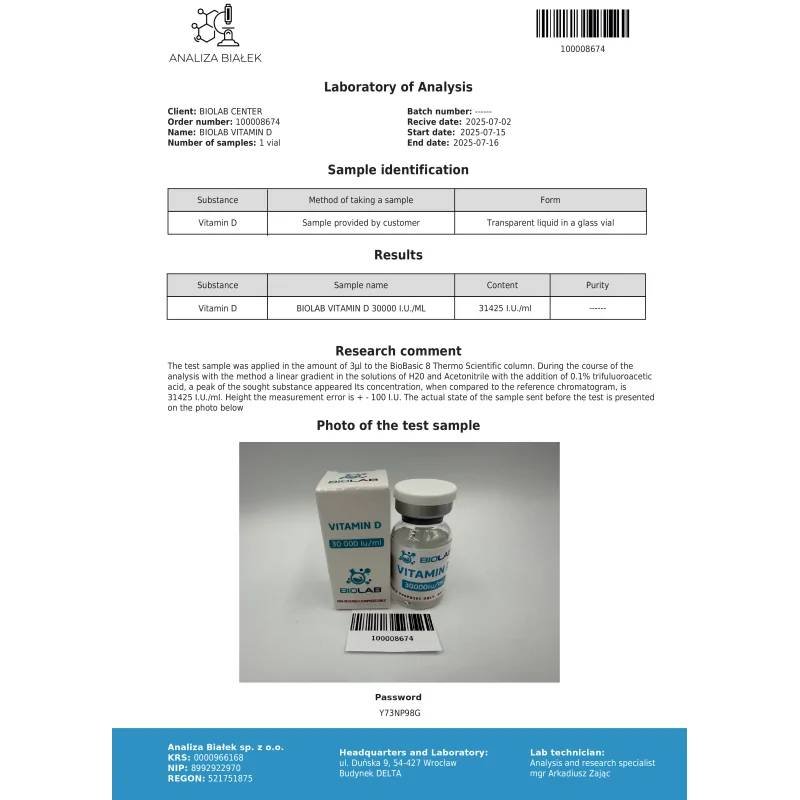
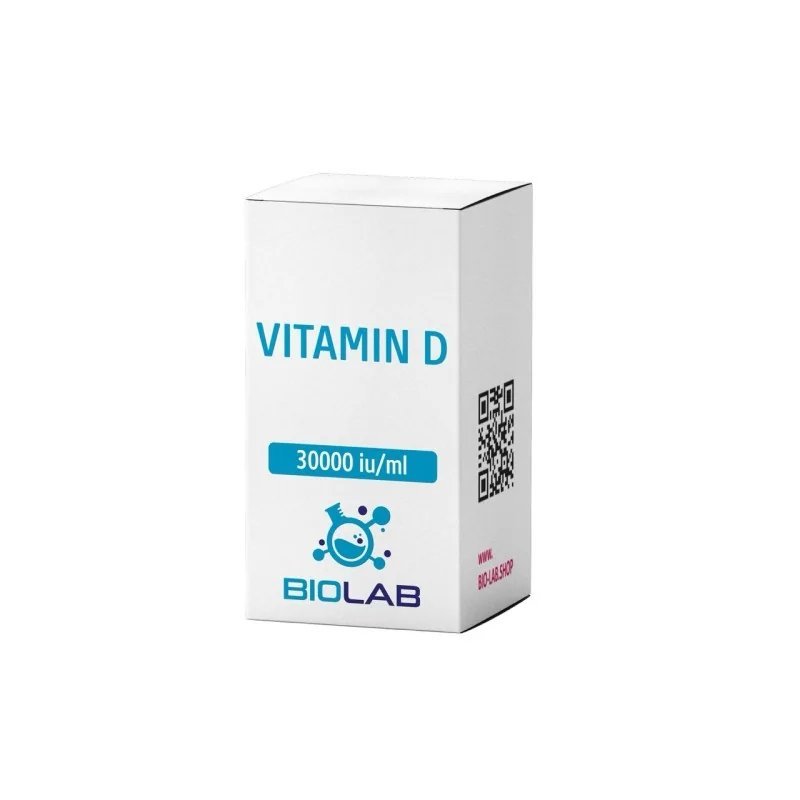
Vitamin D 30000 IU – the key to strong bones, immunity, and daily vitality
Vitamin D deficiency is common, occurring in tens of percent of healthy people in many parts of the world regardless of race, gender and age. In Poland, a cross-sectional study found 90% of healthy adult women and men to be vitamin D deficient [25-hydroxyvitamin D (25(OH)D) levels <30 ng/ml]. Technically speaking, vitamin D is not a vitamin at all. It is a type of fat-soluble hormone produced by the body. It is achieved by converting sunlight into vitamin D when absorbed through the skin. However, there are several factors that can prevent you from getting enough vitamin D from sunlight. These include the use of UV-blocking sunscreens, staying indoors too long, or pollution and cloud cover that prevents UV rays from fully entering the earth’s atmosphere.
How important is supplementation with this ingredient?
Strong bones: Vitamin D helps prevent brittle, weak bones – and reduces the risk of osteoporosis that can occur as a result – because it helps the body absorb bone-building calcium. Too little vitamin D can cause bone pain, as well as muscle weakness, in a condition called osteomalacia.
Healthy heart: Vitamin D may provide key support in maintaining healthy blood vessels (which can lower high blood pressure) and lowering cholesterol levels (to reduce the risk of atherosclerosis and plaque buildup on blood vessel walls).
Responding immune system: Vitamin D may be helpful in supporting the immune system to fight off germs that can cause colds, flu or other illnesses. It may also be effective in relieving the symptoms of inflammation caused by autoimmune diseases.
Mental health: If you’re struggling with a mood disorder such as depression, vitamin D may help; some studies show a link between low blood levels of vitamin D and symptoms of depression.
Cognitive health: Some researchers have found that the brain has many vitamin D receptors, and this is crucial not only for a child’s brain development in fetal life, but also for maintaining cognitive function throughout life.
For athletes: Vitamin D can be a game changer. Healthy bones and an improved immune system can greatly help you prepare for your next competition. Even if you’re not an athlete, it’s important to feel good on a daily basis and have the energy to keep up with work, activities and relationships.
Vitamin D in subcutaneous or intramuscular administration?
The injections deliver vitamin D3 to the muscle, which is then absorbed straight into the bloodstream. This makes injections very effective for anyone who wants to focus on increasing vitamin D levels. Both of these options are an improvement over typical oral supplements. Pills, tablets or liquids must first be digested, which reduces the amount absorbed into the body.
Always consult your doctor or pharmacist before starting supplementation with any product, especially if you have a chronic disease, are taking medications, or are pregnant or breastfeeding.