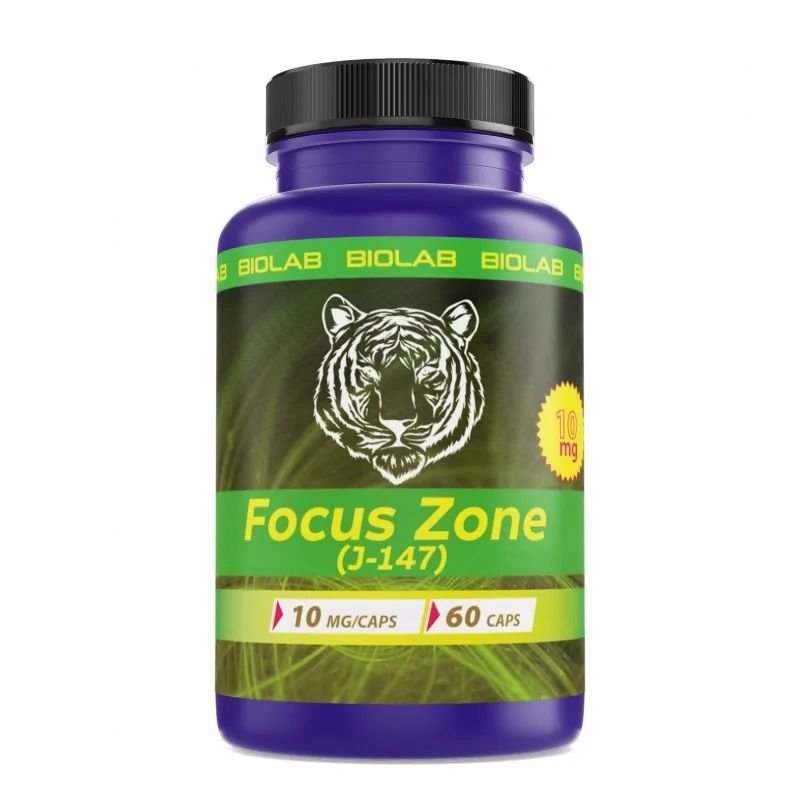
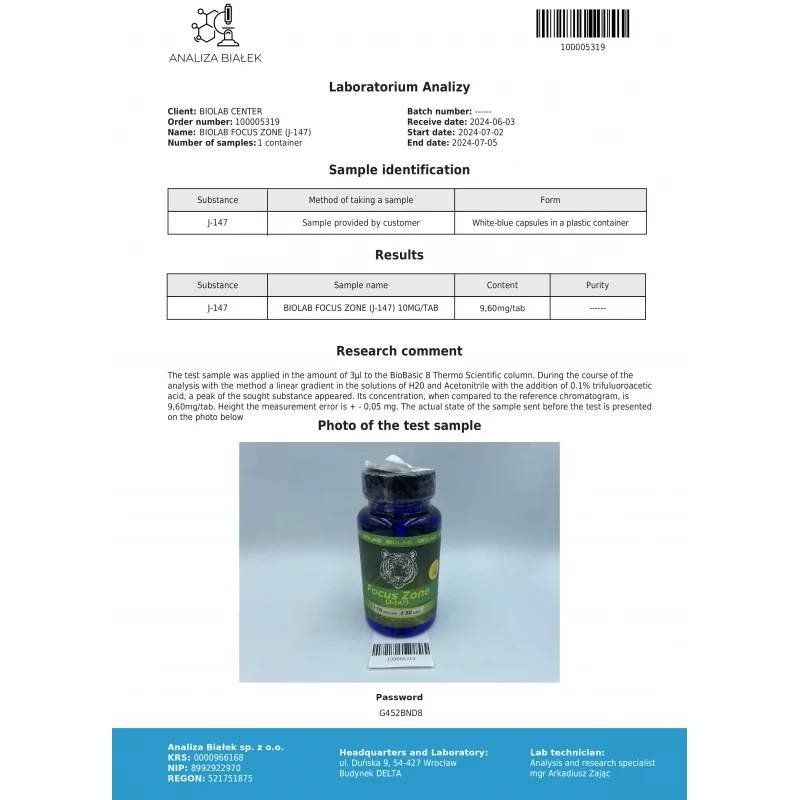
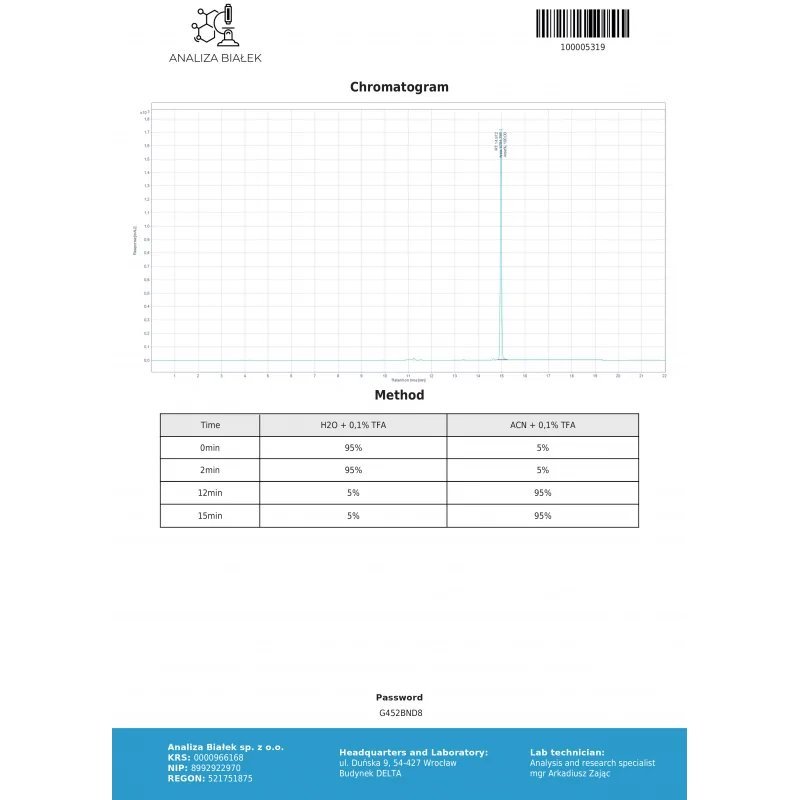
Focus Zone (J-147) – Biochemical characteristics and research directions on neuroprotection
J-147 is a synthetic curcumin derivative with a modified molecular structure, which in preclinical studies shows the ability to penetrate the blood-brain barrier. As an advanced laboratory reagent, this compound is the subject of intensive analysis in the field of molecular biology of aging and protection of neuronal structures.
Mechanism of action and research vectors :
-
Interaction with ATP synthase: J-147 is described in the literature as a compound that binds to ATP synthase. Research focuses on its role in modulating intracellular ATP production, which is crucial in cellular aging and mitochondrial homeostasis.
-
Neurotrophic signaling: The effect of J-147 on increasing the levels of neurotrophic factors such as NGF (nerve growth factor) and BDNF (brain-derived neurotrophic factor) is being analyzed in experimental models.
-
Activation of the AMPK/mTOR pathway: By affecting intracellular calcium levels, this compound is being studied for activation of the AMPK pathway, considered one of the canonical mechanisms of longevity.
-
Regulation of Acetyl-CoA metabolism: Studies in models of accelerated aging suggest that J-147 may promote the maintenance of mitochondrial homeostasis by affecting acetyl-coenzyme A metabolism.
Preclinical Research Context:
In the scientific literature, J-147 is used as a tool to study the pathophysiology of various metabolic and neurological conditions in animal models:
-
Neurodegenerative models: The compound is being analyzed for its ability to reduce markers of brain aging and promote neurogenesis under laboratory conditions.
-
CAMP and 5-HT1A signaling: Rodent studies are exploring the substance’s effects on cAMP pathways, which is sometimes discussed in the context of the mechanisms of mood regulation observed in preclinical testing.
-
Metabolic models: In vivo and in vitro analyses also address the role of J-147 in modulating the response to chronically elevated glucose levels, including through effects on the TRPA1 pathway.
Additional Information
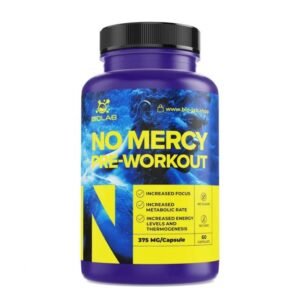
The package contains 60 capsules.