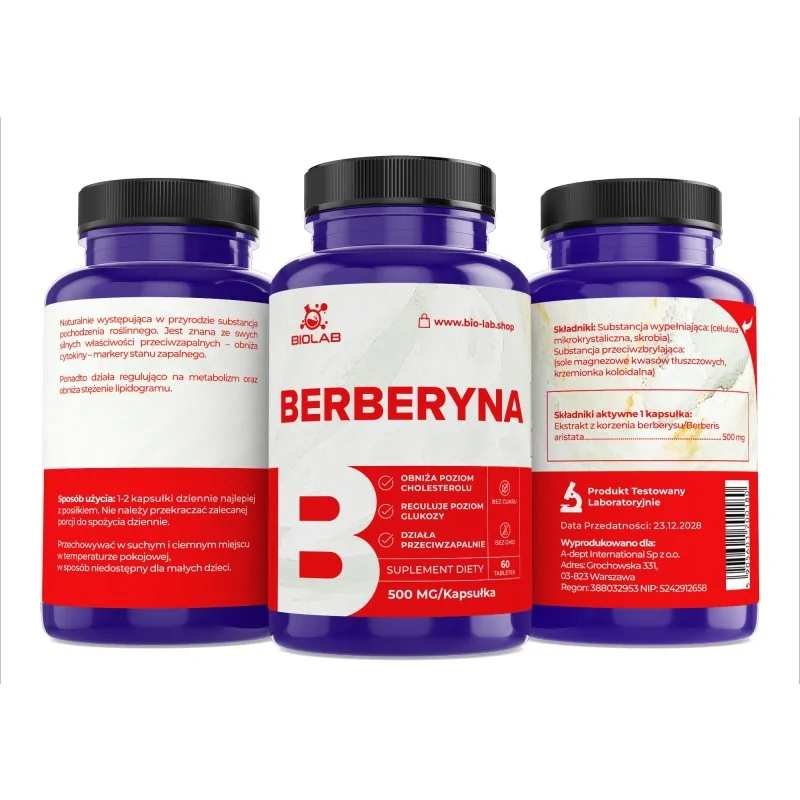
Berberine – support of carbohydrate metabolism
Known for its powerful effects on various aspects of health, especially in the area of metabolic processes, berberine is a yellow compound that can be found in the roots, stems, leaves and bark of several plants. Berberine has a long history of use in traditional Chinese medicine, but modern science is looking into its interesting properties. So what does scientific research say about the potential benefits of berberine?

Why it’s worth it?
- Supports insulin sensitivity,
- Supports processes related to insulin metabolism,
- Supports normal metabolism,
- Participates in the processes of obtaining energy from carbohydrates,
- Supports metabolic processes in the liver,
- Supports physiological circulatory processes,
- Supports absorption of carbohydrates from the gut.
When taken orally, berberine is ingested and then transported into the bloodstream before entering the body’s cells. It binds to several “molecular targets” and can affect their activity. This can be compared to the action of some physiological compounds. (source)
Berberine is being studied for its effects on selected metabolic parameters (including those related to lipid and carbohydrate metabolism). It also has the potential to support physiological metabolic mechanisms – promoting microbial balance and supporting digestive comfort, and may even support weight control. Berberine is one of the few supplements that studies have shown can be compared in trials with other supportive approaches. (source)
A number of studies indicate that berberine may promote metabolic balance in people who care about a metabolism-supportive lifestyle.
Some clinical studies also show that taking berberine 500 mg two to three times a day for two to three months can support selected parameters of carbohydrate metabolism. (source)
Studies have shown that it can cause support for weight control and promote optimization of selected physiological indicators. For example, during a three-month study, those who took 500 mg of berberine three times a day saw a positive trend in metabolic parameters and a favorable trend in waist circumference. (source)
In another study, 37 men and women concerned with metabolic balance took 300 mg of berberine three times a day for three months. Participants reported an improvement in body mass index (BMI) toward a more favorable range. They also noted a favorable effect on tissue composition and overall body condition. Known for its microbial barrier-supporting properties, berberine can support the gut microbiome and keep it in balance. A healthy gut flora can affect many areas of our health.
Laboratory studies have analyzed the effects of berberine on gastrointestinal hygiene. Evidence from recent studies has shown that berberine can support the body’s natural defense mechanisms in maintaining microbial balance, even under demanding conditions.
Berberine can support certain metabolic parameters in women concerned about hormonal balance. It has been found that berberine intake can promote optimization of selected metabolic parameters, support lipid balance and promote the maintenance of normal body proportions. (source)
Fertility: Although further research is needed, the compound is believed to be analyzed in the context of parameters related to reproductive function. A study published in Clinical Endocrinology described observations on selected parameters in this group than those who took other supportive measures.
Insulin sensitivity support: many women concerned with metabolic balance tend to have reduced insulin sensitivity, which means their cells do not respond well to insulin, so insulin and blood sugar levels can rise. Research shows that berberine may play a role in supporting the body’s natural response to insulin by optimizing intracellular processes. (source)
Although berberine has been shown to have many of the benefits described in the literature, it is important to remember that the evidence is still limited and you should inform your doctor about any dietary supplement you take.
Additional Information
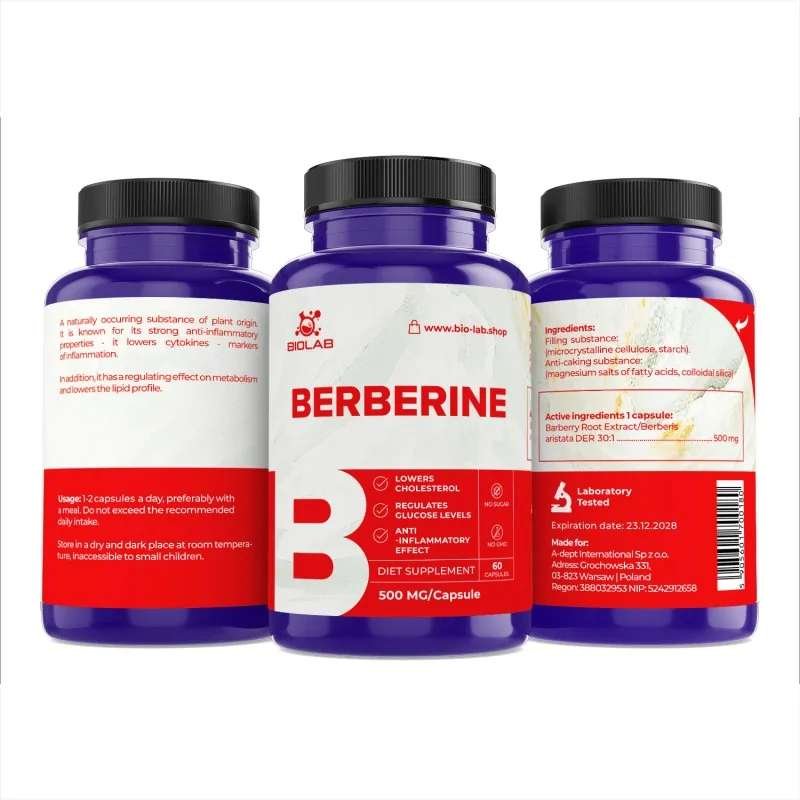
The package contains 60 supplement tablets.
Ingredients: Berberis root extract 500mg, microcrystalline cellulose, starch, magnesium stearate, silicon dioxide.
Dosage: 1-2 tablets daily with a meal. Do not exceed the recommended dosage.
Store in a dry place, out of reach of children. Protect from moisture and direct sunlight. Food supplements should not be used as a substitute for a varied diet.